

Even after you have spent nearly half an hour scrubbing your stainless steel sink, those water spots and streaks refuse to disappear. You have done everything you can think of, but once it dries, you see smudges, mineral deposits, and grime. That’s when you start to wonder if stainless steel sinks are really worth the trouble.Stainless steel’s reputation for looking pristine is both its blessing and its curse. Yes, the chromium makes it rust-resistant and the nickel gives it that lustrous shine. But hard water minerals, dried-on food, and regular use create streaks and spots that make even a recently cleaned sink look neglected. But guess what? You don’t need fancy products or hours of elbow grease. The fix is actually sitting in your kitchen.
A thorough rinse with hot water
Begin at the top of the sink and work your way down. Use your tap spray or pour hot water from a cup to wash away loose debris from the sides and bottom. To clean the tap, use a damp cloth.
Baking soda treatment
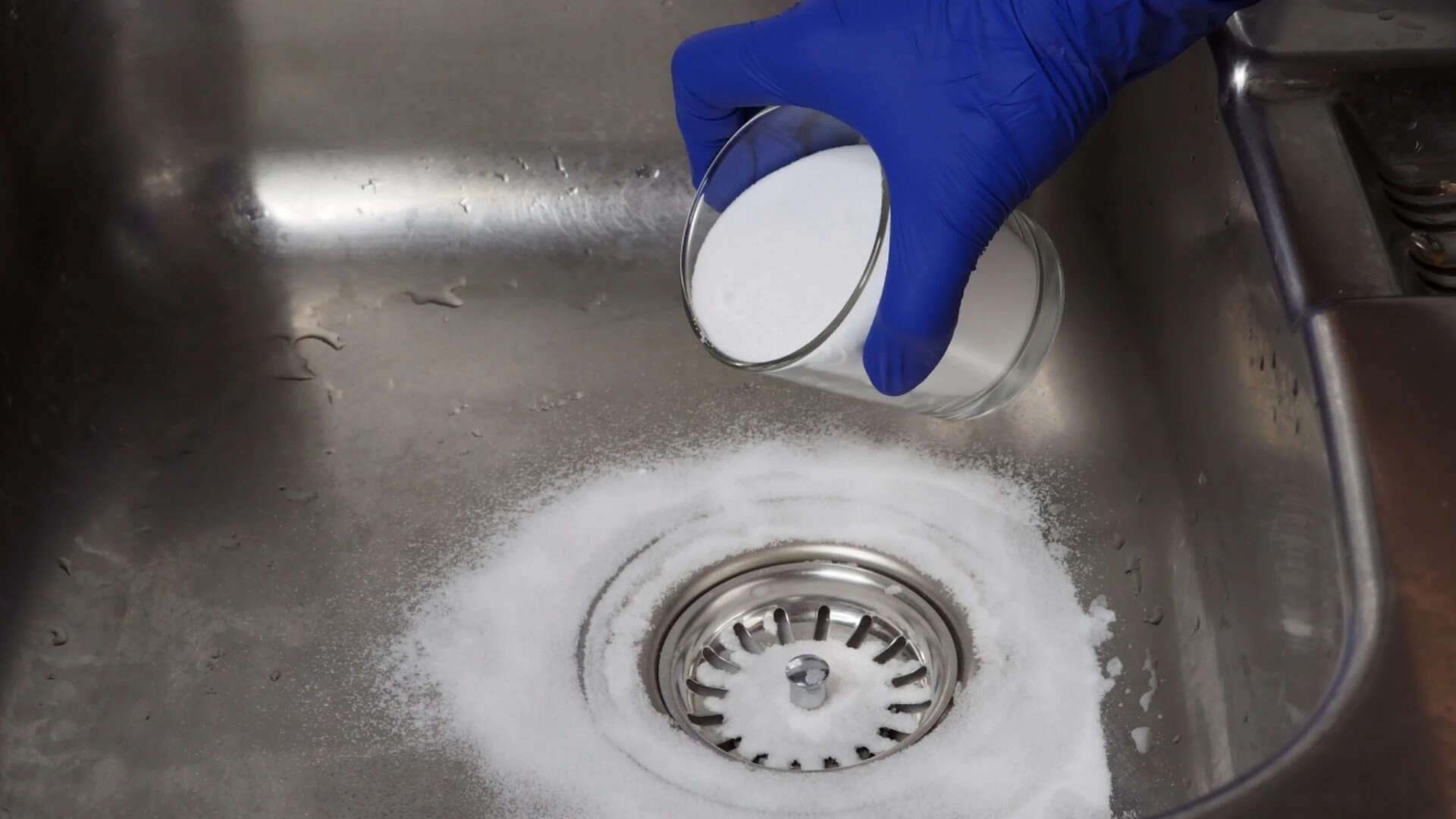
Now that the sink is wet and the debris is loose, sprinkle some baking soda over the surface. As the sink is damp, it will stick. Baking soda, in fact, acts as a gentle abrasive, which helps remove food stuck on the surface. It also removes grease without scratching the steel. This powder also neutralises odours lingering in your drain.Pro tip: Use a flour shaker or an empty grated cheese container to sprinkle the baking soda evenly. You want this ‘magic powder’ to reach every part of the sink.
Start scrubbing
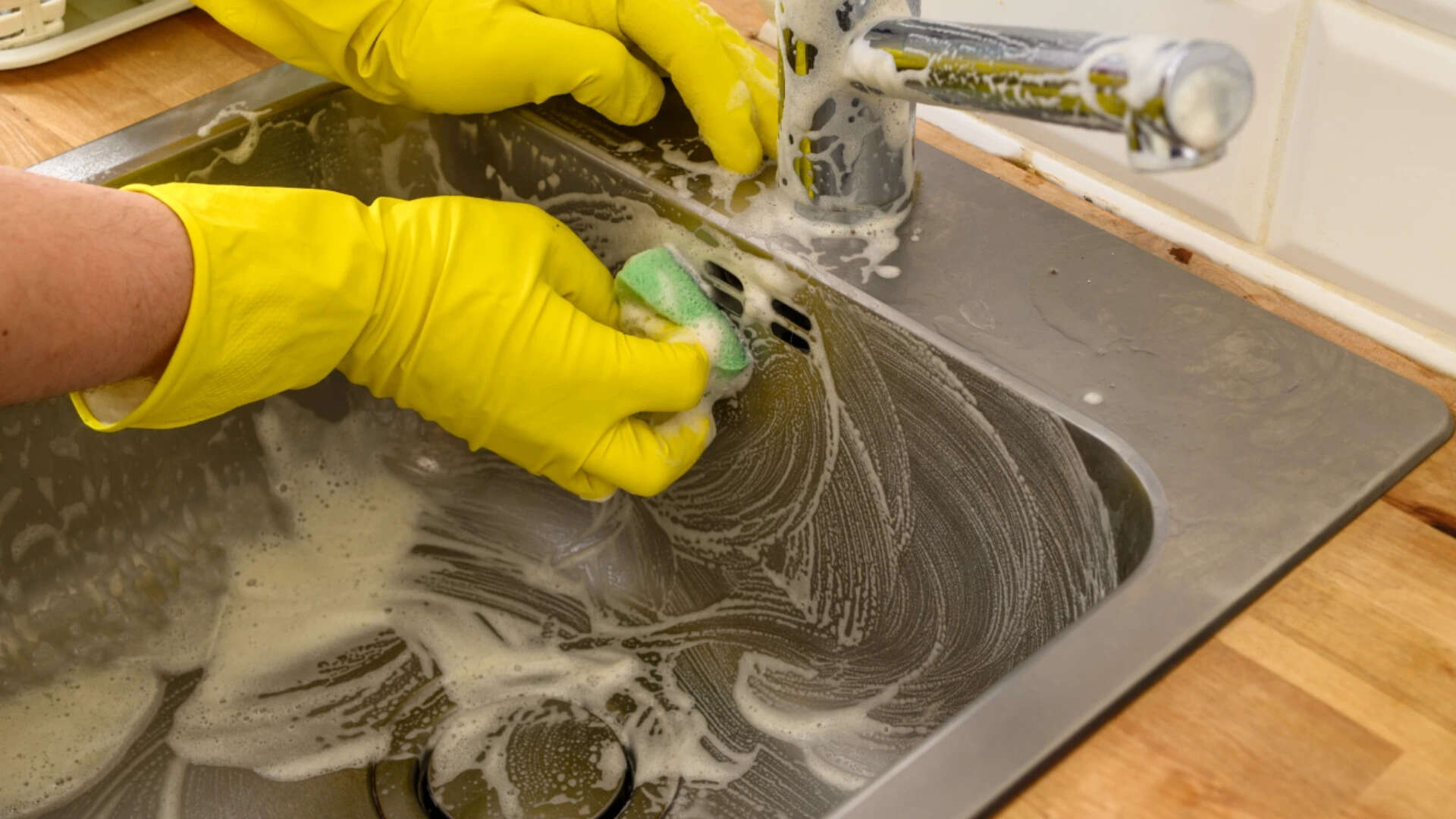
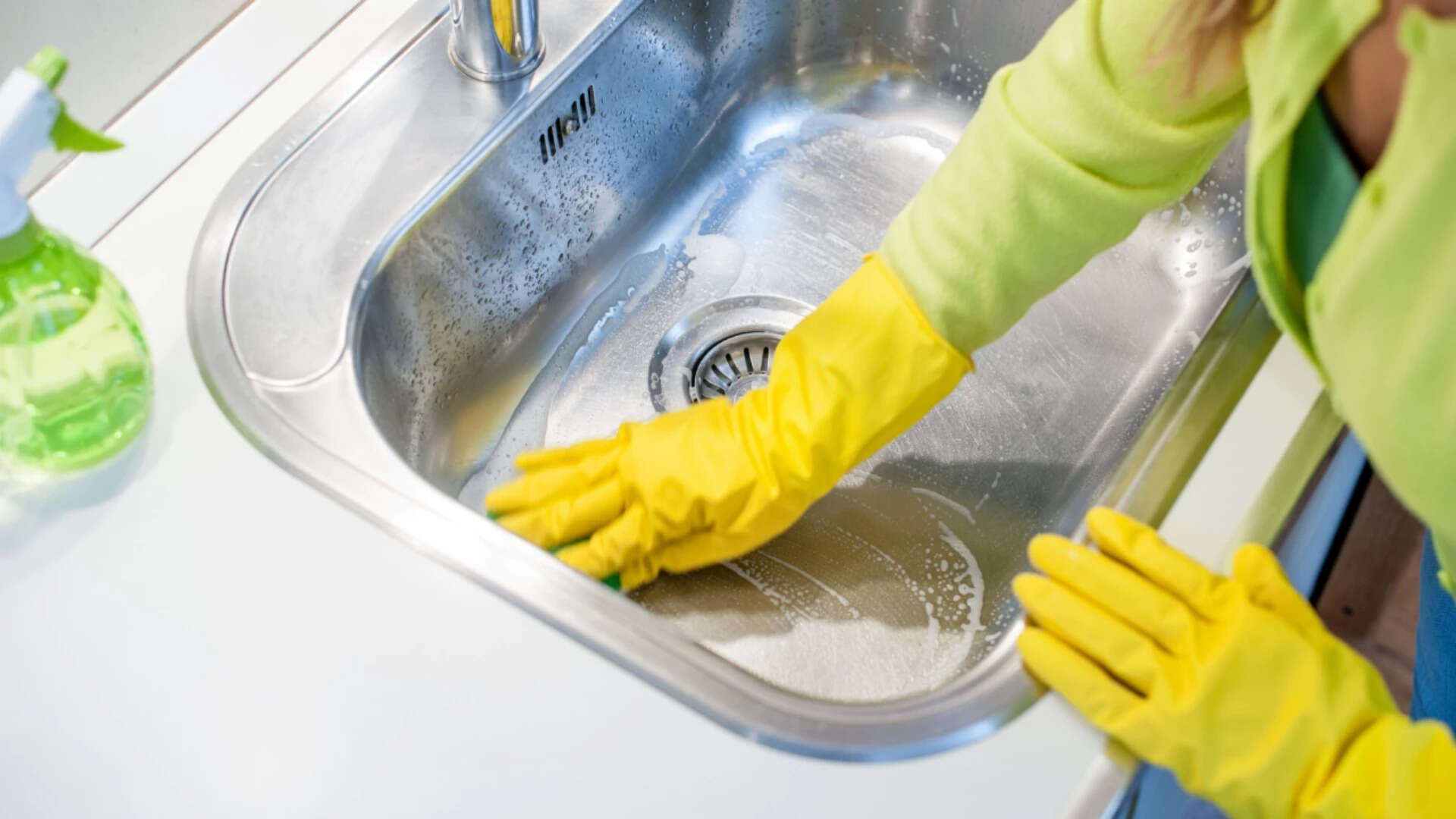
Once the sink has absorbed the baking soda, you need to start scrubbing. And unfortunately, most people scrub their sinks incorrectly. Yes, there is a right way to do it. You see, stainless steel has a direction to its finish. It has faint lines created during manufacturing, so ensure you always scrub along those lines, not against them. You can use a soft-bristled brush or a non-abrasive sponge. Don’t forget the drain area or spots around the tap. An old toothbrush can work very well in these tight spots. Whatever you do, stay away from steel wool, wire brushes, or anything abrasive. Metal particles can get stuck on the surface and will rust, creating the exact problem you are trying to solve.
Vinegar wash
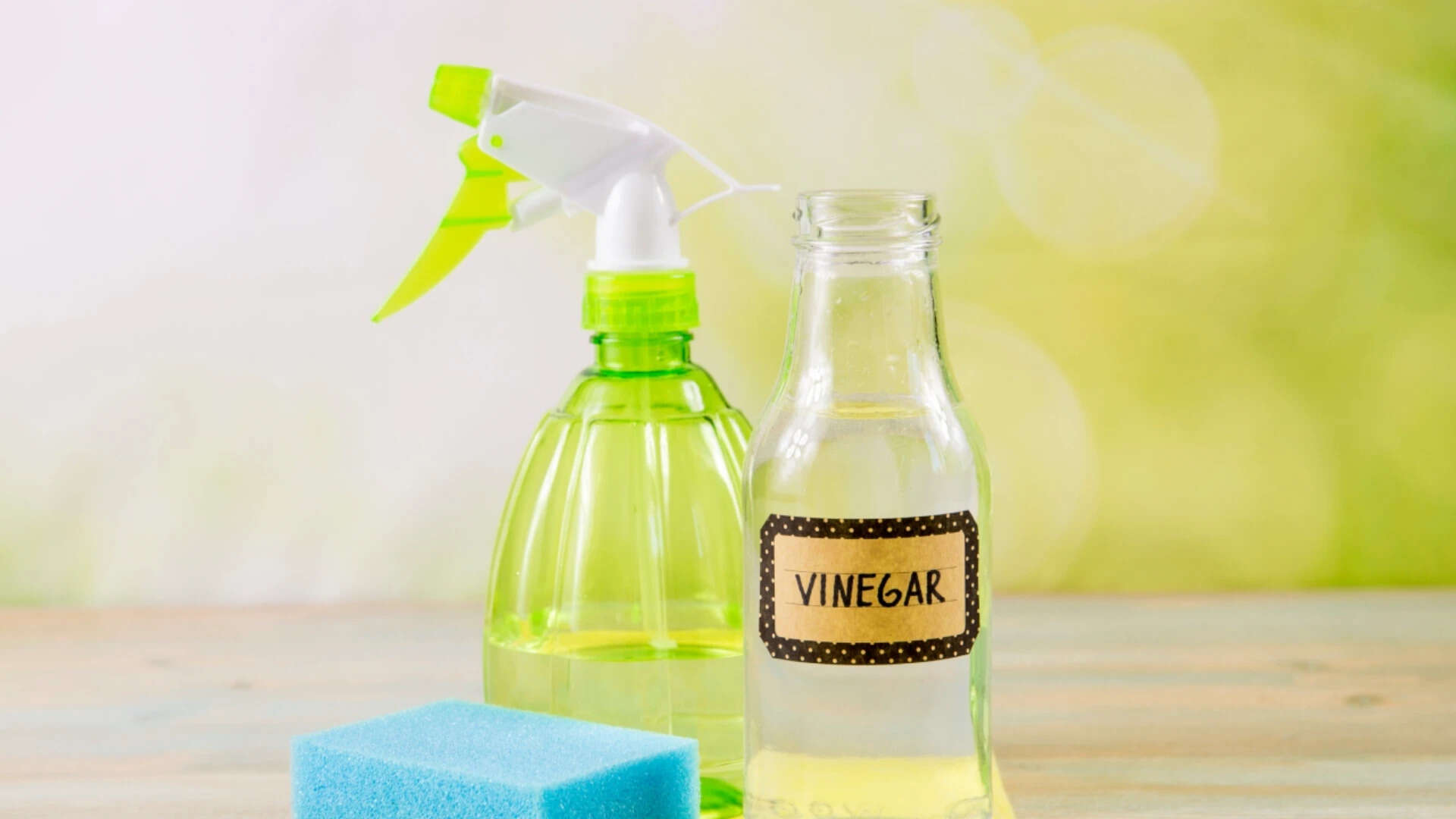
After scrubbing, spray the entire sink with distilled white vinegar. Apple cider vinegar works too. You will notice fizzing. That’s the baking soda and vinegar reacting, which helps break down mineral deposits. Let it do its job until the bubbling stops, then rinse thoroughly with warm water.
Dry immediately

This step is non-negotiable. Use a microfibre cloth to dry both the sink and tap completely. Any moisture left behind will create the water spots you just worked hard to remove.If you spot stubborn stains, rust marks, discolouration, or hard water deposits, you should address them immediately. Tough stains require more treatment. Make a paste of one-fourth cup of cream of tartar and one cup of distilled white vinegar. This mixture should be handled with care. Cream of tartar, a common baking ingredient, works as a gentle abrasive. Apply the paste to the problem areas and let it sit for at least five minutes. Then follow with gentle scrubbing and rinsing. Once everything is clean and dry, add a few drops of olive oil or coconut oil to your microfibre cloth and buff the sink and fixtures. The oil brings out the shine and also adds a protective layer to your sink.The whole process takes under 20 minutes and costs practically nothing. Your sink will look spotless, and if you make this cleaning method a routine, you will see your stainless steel sink getting shinier. Remember, Rome wasn’t built in a day, so cleaning your sink regularly matters.