

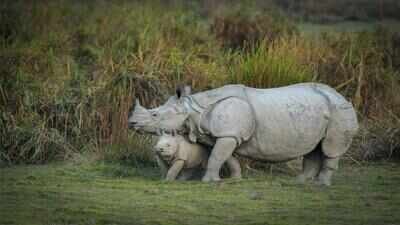

A few days ago, the Assam government proposed to reduce Kaziranga National Park’s Eco-Sensitive Zone (ESZ) from 10 km to just 1 km in the name of urban development. Now this proposal has raised an important and sensitive question for travellers and wildlife lovers: how can one of India’s most important wildlife parks and tiger reserves accommodate development without weakening the ecological links that keep its animals safe?There is an important clarification to the current debate.As per recent statements by the Assam government, the 10-km radius is currently the default protection because a final ESZ notification for Kaziranga has not yet been issued. The state has indicated that it wants to propose a scientifically defined 1-km ESZ when the formal notification is prepared.Therefore, it would be inaccurate to describe the move as an already completed reduction of a formally notified 10-km ESZ.Why Kaziranga is uniqueKaziranga is not just a regular wildlife park with a fixed boundary. The Assam Forest Department describes the Kaziranga-Karbi Anglong Elephant Reserve, spread across 3,270 sq km, as a critical landscape. It links Kaziranga’s floodplains with the forests and hills of Karbi Anglong. It also connects southwards with the Dhansiri-Lungding Elephant Reserve. In short, these create a wider ecological network, making it highly important to nature conservation.
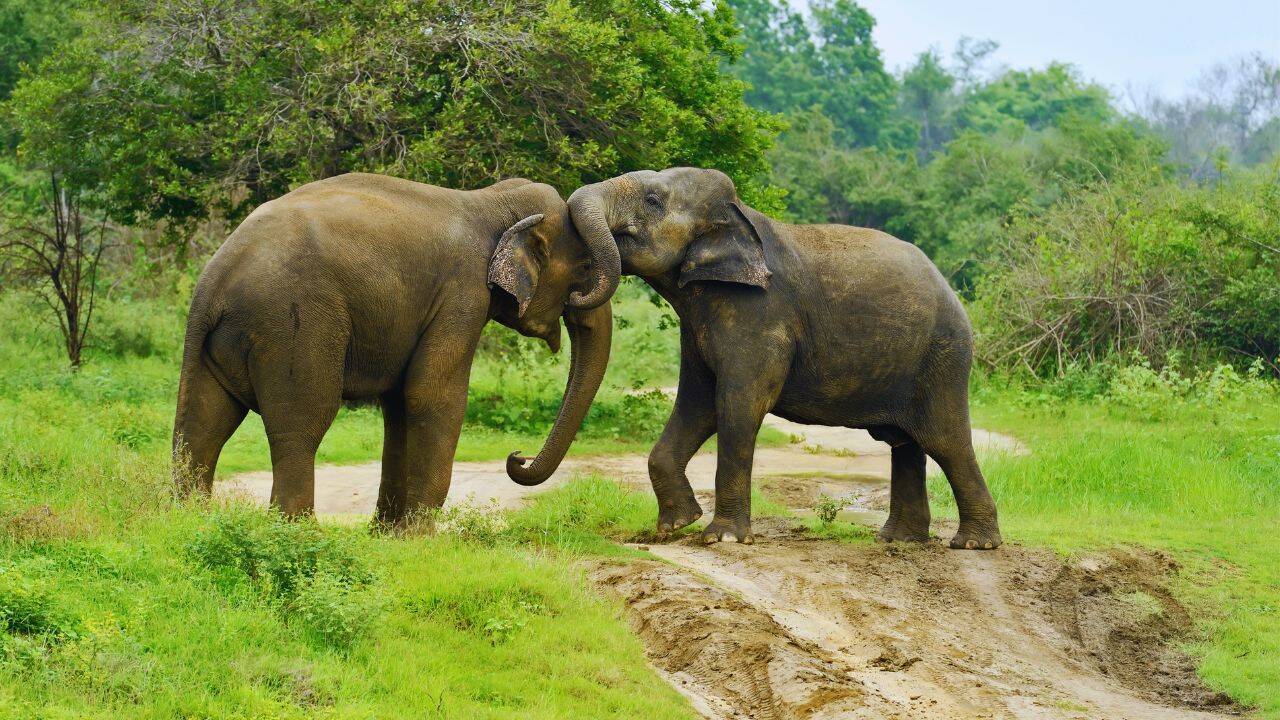
elephants
During the monsoon and floods, animals move towards the Karbi Anglong hills for safety and in search of food. Its wildlife documentation also identifies animal corridors linking the hills with Kaziranga. It points out that the Kaziranga and the Karbi Anglong hills cannot be treated as separate entities.The state has recently documented nine animal corridors connecting Karbi Anglong Hills and Kaziranga National Park, underscoring the official recognition that wildlife movement extends beyond the park boundary.The population of elephants and one-horned rhinosThe latest official Assam elephant offers a crucial picture of the landscape. The 2024 estimation recorded 1,183 elephants within Kaziranga National Park. Across the larger Kaziranga-Karbi Anglong Elephant Reserve, the estimate was 1,554 elephants.Kaziranga is equally important for the greater one-horned rhinoceros. The Assam government’s latest records found 2,613 rhinos in Kaziranga in the March 2022 census. The Golaghat district administration also describes Kaziranga as a major breeding ground for elephants, rhinos and other wildlife.As per Assam Forest Department, Kaziranga supports over 70% of the world’s one-horned rhinoceros population. UNESCO also recognises the park as home to the world’s largest population of the species.Why the ESZ matters for travellersFor visitors, an ESZ is more than a line on a map. These areas are developed to regulate activities around protected areas so that development does not undermine the ecological functions of the core habitat.
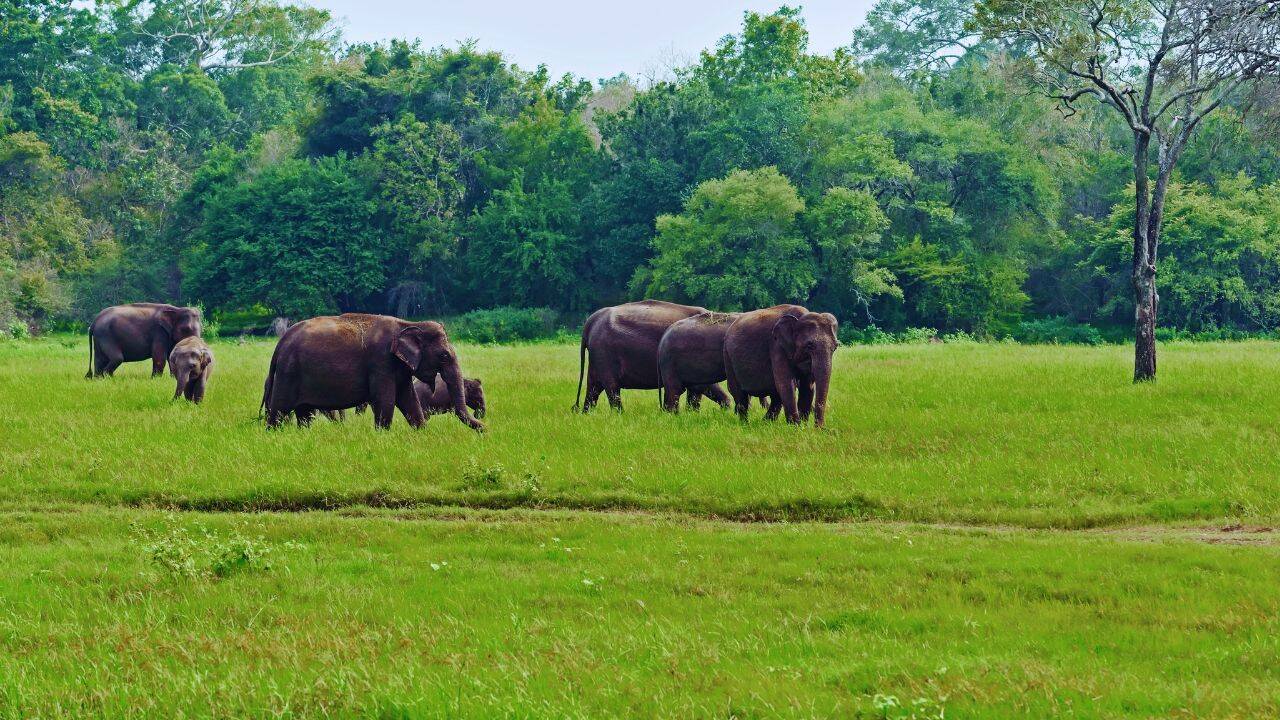
Kaziranga elephants
That is particularly significant at Kaziranga because wildlife routinely moves outside the park, especially during seasonal flooding. If movement corridors become increasingly fragmented by roads, buildings and other infrastructure, animals may face greater exposure to traffic and human settlements.The Forest Department has already recorded road accidents involving wildlife during migration and has highlighted the need for corridor management, traffic regulation and maintaining connectivity between Kaziranga and Karbi Anglong.What this means for KazirangaKaziranga is among Assam’s most prominent wildlife destinations. The park offers jeep safaris, wildlife viewing and birdwatching. The months between November and April are considered as the best season to visit to explore the park.
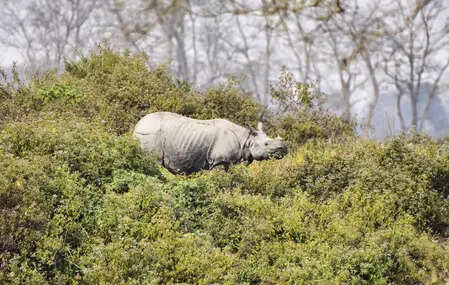
Guwahati, Aug 12 (IANS) Assam Chief Minister Himanta Biswa Sarma on Wednesday clarified that the existing 10-km provision around Kaziranga National Park will continue to remain applicable until the state government formally notifies the Eco-Sensitive Zone (ESZ), stressing that the recent Supreme Court direction should not be interpreted as an immediate reduction of the existing provision.
For travellers, the current ESZ debate is a reminder that Kaziranga’s wildlife experience depends on a much larger landscape than the safari routes alone. Protecting the corridors, flood refuges and surrounding forests is essential not only for rhinos and elephants, but also for preserving the wilderness experience that makes Kaziranga one of India’s most significant wildlife destinations.