



When a child falls sick, one of the first things parents notice is a sudden drop in appetite. It’s completely natural to feel anxious when your child turns away food, but this loss of appetite is actually the body’s smart way of diverting energy away from complex digestion so it can focus on fighting off the infection.Instead of stress-feeding or forcing full meals, the key during recovery is offering gentle, nutrient-dense nourishment and keeping hydration front and center. Here is a practical, gentle guide to supporting your child through common childhood ailments using everyday kitchen staples and trusted traditional care.
28 Jul 2026 | 16:38
What factors did you consider, or would consider, before choosing the right school for your child?
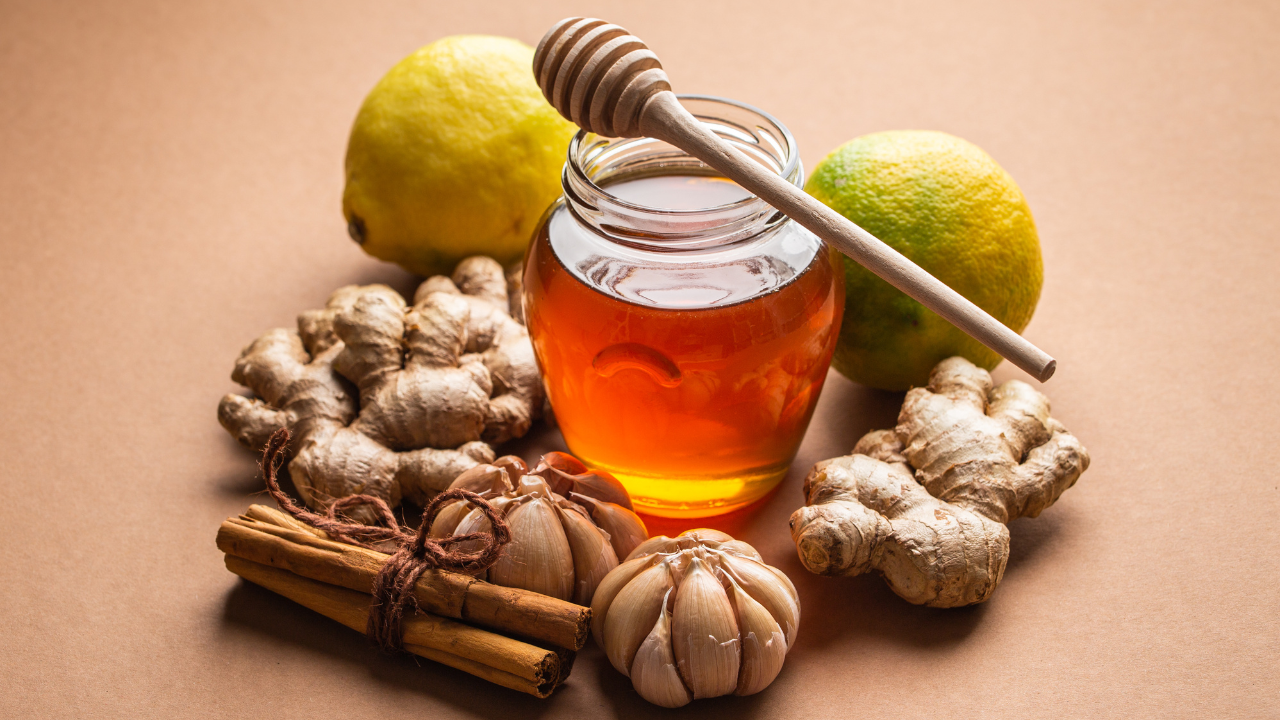
File photo
Coughs, colds and congestion
Viral colds usually run their course over seven to ten days. During this time, care should focus on keeping airways moist, soothing irritated throats, and thinning out mucus.For infants under six months, frequent, smaller breastmilk or formula feeds are best, as they deliver essential antibodies alongside hydration. Once your child is on solids, warm moong dal khichdi, oatmeal, or a bowl of warm besan halwa cooked in ghee can be deeply comforting. Warm vegetable stocks or clear chicken broths also help thin out stubborn mucus while delivering easy-to-absorb minerals.
Natural Relief & Home Comforts:
Ajwain Potli: Dry-roast ajwain seeds on a tawa, bundle them tightly in a clean cotton cloth, and use it as a gentle, warm compress on your child’s chest.Warm Mustard & Garlic Oil: Gently massaged onto the chest and the soles of the feet, warm mustard oil infused with garlic or ajwain provides comforting warmth.Raw Honey (Above 1 Year Only): Half to one teaspoon of raw honey given 30 minutes before bedtime coats the upper respiratory tract and calms night-time coughs. (Never give honey to babies under one year due to the risk of infant botulism).Soothe throat tickles: For toddlers over 2 years, you can melt equal parts ghee and jaggery over low heat, stir in a pinch of dry ginger, turmeric, black pepper, and cardamom, and cool into mini bite-sized drops to soothe throat irritation.
Managing Diarrhea & Loose Motions
Frequent loose stools drain body fluids and essential minerals quickly, making gentle hydration your top priority.Stick to simple, binding, and easy-to-digest foods:Plain White Rice & Kanji: White rice helps firm up stools without taxing the gut.Ripe Bananas & Unsweetened Applesauce: Bananas replace lost potassium, while the natural pectin in apples helps bind the digestive tract.Fresh Coconut Water & Dahi: Unsweetened plain curd introduces live beneficial bacteria (Lactobacillus) to restore gut health, while coconut water replenishes lost electrolytes.
File photo
What to skip:
Avoid high-sugar drinks, fruit juices, heavy meats, fried items, and high-fat dairy, as sugar and heavy fats pull water into the intestines and make diarrhea worse. Gentle Relief for ConstipationInfrequent or painful bowel movements usually mean the digestive system needs more fluid, healthy fats, and targeted fibre.Focus on “P” fruits—prunes, papayas, and pears—paired with a few drops of coconut oil or ground flaxseeds to ease passage. Another traditional favourite is raisin water: soak a handful of black raisins in warm water overnight and offer sips of the water the next morning.Keep hydration consistent with water and fresh coconut water. Try to introduce one high-fibre fruit or vegetable at a time rather than overloading the plate, as too much fiber all at once can aggravate an already uncomfortable tummy. Avoid unripe bananas, refined flour, and plain white rice until bowel movements settle.Stomach Upsets & VomitingWhen a child is vomiting, the stomach lining needs immediate rest.
- Pause Solids: Stop all solid foods for at least 6 to 8 hours following a vomiting episode.
- Micro-Hydration: Do not offer large cups of plain water, which can trigger more vomiting. Instead, offer 1 to 2 teaspoons of coconut water or standard ORS solution every 5 to 10 minutes using a spoon or syringe.
- Reintroduce Slowly: Once your child has gone 6 to 8 hours without vomiting, slowly introduce bland items like dry toast, crackers, mashed banana, or thin rice kanji.
Debunking Common Illness Myths
Myth: “Bananas cause or worsen colds in winter.”Fact: Colds are caused by viruses, not fruit or chilly weather. Bananas provide valuable potassium, Vitamin B6, and Vitamin C, all of which aid recovery.Myth: “Dairy and curd create extra chest mucus.”Fact: Clinical research shows whole milk does not increase overall mucus production in the lungs. While cold milk might temporarily feel coating in the throat, room-temperature curd delivers vital probiotics that actively strengthen gut immunity.Myth: “Sick children must strictly eat bland BRAT (Banana, Rice, Applesauce, Toast) diets.”**Fact: While bland foods are easy on an upset stomach, you don’t need to limit your child to plain, flavorless meals for days. Adding mild, healing kitchen spices like turmeric, cumin, and ginger, or mashing pumpkin and sweet potato into rice, provides essential micronutrients that accelerate healing.
About the author
Sanchita Daswani is a child nutritionist who focuses on guiding and empowering parents to confidently offer meals to their kids. She specializes in introducing solids to babies, creating balanced meal plans for toddlers, and helping parents foster a positive and successful mealtime environment.