
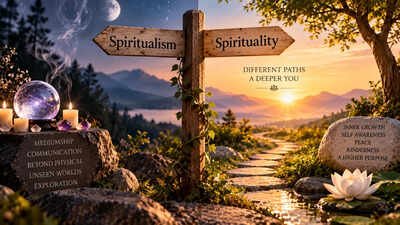
Spiritualism and spirituality may sound like two words for the same belief, but they are two different ways of understanding life, death and the unseen world.Someone who meditates, believes in karma, or looks for a greater purpose may call themselves spiritual. Someone else may believe that the spirits of deceased loved ones can communicate with the living. That is more of a spiritualist belief.The difference matters because being spiritual does not necessarily mean believing in ghosts, mediums, or communication with the dead.
What Is Spiritualism?
Spiritualism is a religious and philosophical movement based on the belief that human consciousness survives physical death and that spirits can communicate with the living.The modern Spiritualist movement arose in the nineteenth century, especially in the United States and Britain. Its practices may include séances, mediumship, spiritual healing and gatherings where participants seek messages believed to be from the dead.A medium is a person who claims to be able to act as a channel of communication between the living and the spirit world. For many Spiritualists, these practices are associated with beliefs in continued existence after death, personal responsibility and spiritual progress.
What is spirituality?
Spirituality is a much larger concept. It is about a person’s life with meaning, purpose, inner growth, values, and something bigger than daily material life.A spiritual person might practise meditation, prayer, yoga, mindfulness or self-reflection. They may be religious, inspired by several traditions, or take a wholly personal approach.You don’t have to believe in mediumship or try to contact the spirit world to be spiritual. Someone who feels a sense of connection through nature, compassion, or quiet contemplation may find that experience deeply spiritual.The key difference is what they want. The possibility of communication beyond physical death is particularly important for spiritualism.Or it may focus on understanding life as it is being lived. For example, a Spiritualist might go to a mediumship meeting in the hope of receiving a message from a dead relative.A spiritual person might meditate to understand grief, develop acceptance or find emotional peace.Both may seek comfort and meaning, but their ways and beliefs can differ greatly.
Can someone be spiritual and a spiritualist?
Yes, these identities do not cancel each other out. Someone may believe in communicating with spirits and also practice meditation, prayer, or other forms of personal spiritual development.But the converse is not necessarily true. Many spiritual people don’t believe in mediumship. Some may look to religious teachings to define the afterlife, while others may focus on ethics in life and personal development.That is why the two words are not interchangeable.
Where do Tarot, Astrology and Meditation fit in?
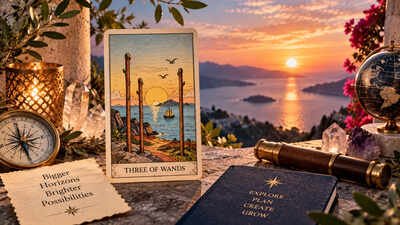
These practices are often grouped together online, but not all of them are part of Spiritualism.Tarot can be used for self-reflection, divination, or spiritual guidance. When used specifically for claimed spirit communication, it becomes associated with Spiritualism.Astrology reads planetary positions and symbolic patterns. Belief in astrology does not automatically imply that one believes departed people communicate with the living.Meditation appears in both religious and secular traditions and serves a range of purposes, including improving concentration, contemplation, and spiritual development.Some of the meaning lies in the beliefs and the intentions of the practice.
Does ancestor remembrance equal spiritualism?
Not all the time. For example, Tarpan and Shraddha in Hindu tradition involve remembering ancestors and making traditional offerings. These rites originate from their own religious and cultural background.They are not automatically Spiritualism because they involve departed family members.Similarly, when we remember a loved one, pray for them or feel an emotional connection to their memory, this is not necessarily an attempt at direct spirit communication.