
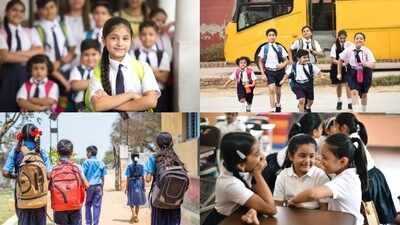
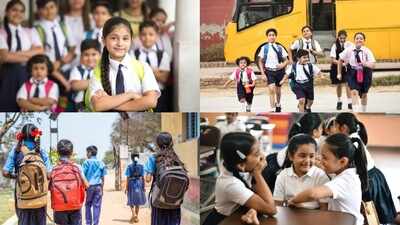
Every year on November 14, schools across India fill with colour, laughter and a little bit of mischief. Teachers sing, uniforms give way to party clothes, and children get a day that is entirely about them. In 2026, Children’s Day falls on a Saturday, so many schools are celebrating a day early or planning special events for the days around it. Here is a closer look at where the day comes from and why it still matters.
Why November 14?
Children’s Day in India marks the birth anniversary of Jawaharlal Nehru, the country’s first Prime Minister, who was born on November 14, 1889. This year is his 137th birth anniversary. Nehru was known for his deep affection for children, who lovingly called him “Chacha Nehru,” or Uncle Nehru. He often spoke about how a nation’s future depends on how well it looks after its young, and he made time to meet, talk to and play with children wherever he went.
What the day means
At its heart, Children’s Day is a reminder that children are people with rights, feelings and potential, not just small versions of adults. Every child deserves good food, a safe home, quality education, healthcare and the freedom to play and dream. The day is also a chance for adults to pause and ask whether we are really giving them these things.It matters because childhood shapes everything that follows. A child who feels safe and heard grows into a more confident, kinder adult. A child who is denied schooling, nutrition or protection carries that gap for years. Celebrating children is joyful, but it also quietly asks us to do better.
How India celebrates
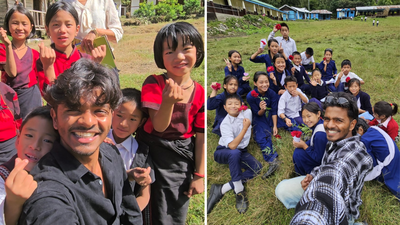
Schools are where the day comes alive. Children put on cultural programmes, plays, dances and fancy dress shows. Teachers often take over the stage, sometimes performing for their students, which delights everyone. There are drawing competitions, quizzes, sports events, storytelling sessions and, of course, sweets and snacks. Many schools also invite children to speak about Nehru or share what they would like to change in the world.Outside school, families plan outings, movie evenings and treats. Many NGOs, hospitals and community groups organise events for children from less privileged backgrounds, including book drives, health check-ups and food distribution. These efforts remind us that the day belongs to every child, not only those who already have plenty.
Ways to make it meaningful at home
You do not need a big celebration to make a child feel special. Spend an hour without phones, play their favourite game, cook something together or simply ask what is on their mind and really listen. Read a story at bedtime, let them choose the plan for the day, or take them to a park. Small, undivided attention often means more than expensive gifts.You can also teach through the day. Talk to your children about kindness, sharing and respecting others. Encourage them to donate a toy or book they have outgrown to a child who might need it. These small acts help them understand that being cared for also comes with caring for others.
A day to look ahead
India has made real progress for children, including laws such as the Right to Education Act of 2009 and several child protection measures. Yet challenges remain, from malnutrition and child labour to unequal access to schooling and growing concerns about screen time and mental health. Children’s Day is a good moment for parents, teachers and communities to think about what more can be done.Children are naturally curious, honest and hopeful, and the best thing we can do is protect those qualities. This Children’s Day, give the little ones in your life your time, your patience and your encouragement. Happy Children’s Day!
Disclaimer:
This article is intended for general informational purposes only. Dates, observances and school celebration plans may vary by region and institution, so please check with your school or local authorities. Historical details are summarised from commonly available sources and may differ slightly between accounts. Activities mentioned should be supervised by adults, and children’s health, safety and individual needs should always come first.