

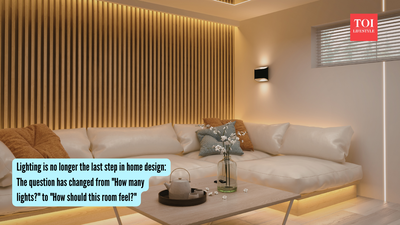
Ever noticed walking into a beautifully designed home and switching off the overhead lights?After this, did something strange happen?The room does not feel the same anymore, almost dull and different from how it looked with the ambient lights. The marble looks flatter. The wood loses its warmth. The art on the wall stops being visible at all.For several years, lighting was treated as the last item on an interior designer’s checklist, something to be even looked at once the furniture, finishes, and colour palette were already locked in.But this thinking is changing in some of India’s most design-conscious homes. Homeowners who once obsessed over Italian marble, hand-loomed fabrics, and custom furniture are now asking a very different question before any of that: how do they want the room to feel, at different times of the day, under different light?And this change in lighting is less about chandeliers and more about the atmosphere and ambienceTo understand why lighting has become the starting point of design conversations rather than an afterthought, we spoke with an expert who deals with exactly this shift every day.
Why lighting is no longer an afterthought in modern home designs now?
For a long time, lighting a home simply meant making sure a room was bright enough to be functional. That’s no longer the case, according to Rachna Bajaj Joshi, Director at Abby Lighting. She explained to the Times of India, “I believe that homeowners are becoming more aware of how a room feels is much more important than how it looks.” She also specified that people now spend months selecting stone finishes, veneers, fabrics, and artwork, and are slowly realising that all of that effort can be undone or enhanced depending purely on how it’s lit.Part of this change, Joshi said, comes from exposure. Homeowners are spending more time in well-lit resorts, restaurants, and luxury spaces, and scrolling through social media moodboards and feeds on Instagram and Pinterest has also sharpened their eye for aesthetics that are themed, well-planned and according to what they choose rather than simply bright all all over the place.
Its all about the how the homes are now used during the day
She linked this awareness to how homes are actually used throughout the day, saying, “The light that feels good when you first wake up is very different from the light that feels good in the evening after you have returned home from work. With their new knowledge of how they use light at different times, they are now asking more specific questions. Instead of asking “How many lights do I need?”, they are now asking, “How do I want this room to feel?, which is why lighting has moved from an afterthought to the starting point of design.
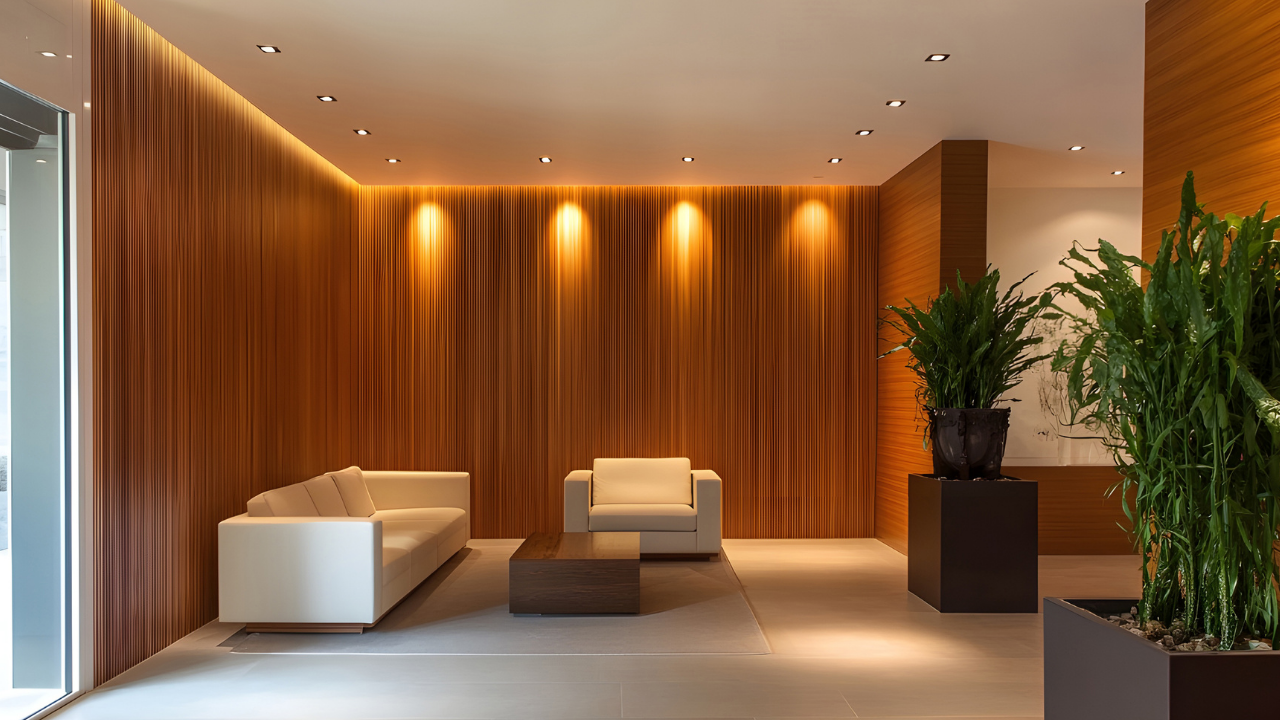
Ambient lighting – Representative Image
What are the biggest lighting mistakes you still see in luxury or aesthetically ambitious homes, even when the interiors themselves are beautifully designed?
Despite growing awareness, Joshi said some mistakes remain common, even in the most expensive homes. Top of her list is uniform, full brightness everywhere. She recalled visiting a penthouse with extraordinary materials and custom furniture that “must have cost a fortune,” only to find the lighting laid out in a flat, uninspired grid, which she compared to standing inside “an airport lounge.”Another frequent misstep, according to Joshi, “is people treating a statement fixture as a lighting plan. A chandelier is not a solution. It is like a piece of jewellery. It needs other things working around it to actually light the room properly.”She also flagged colour temperature and CRI (Colour Rendering Index) as commonly overlooked details, explaining that the wrong light source can strip natural stone of its grain and make fabrics and paint colours look dull. “90+ CRI is essential if you want materials and finishes to appear as intended, and the colour temperature needs to be chosen in sync with the area of the home where it is installed, also taking into account the colours used in the room”, she adds.
Where design changes are to be seen in Indian homes next
Joshi mentions that a major change in how people now think about lighting is less about the fixtures themselves and more about the effect they create.She says, “That’s why concealed lighting has grown so much. Light built into ceiling details, niches, kitchen cabinets, the underside of a staircase. When it’s done well you can’t find where it’s coming from. You just feel the difference, you may not be able to put your finger on why.”People are looking forward to diversity, “Tunable systems that go from 3000K down to 1800K are becoming common in better homes because people want the space to feel different at night than it does in the afternoon. And with so many homes now using natural materials, warm light just does something to timber and stone and handwoven textiles that cooler light never will.”Most encouragingly, Joshi said, homeowners are finally engaging with the idea of layered lighting, which is all about ambient, task, accent, and decorative concepts that once made people’s “eyes glaze over.” According to her, what’s changing isn’t just taste, but genuine curiosity about what light can actually do for a home.