
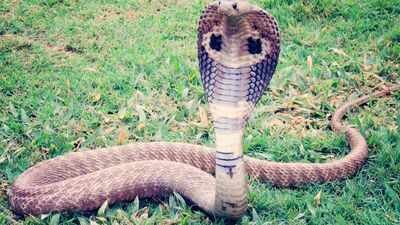
A garden can look perfectly ordinary and still offer a snake almost everything it needs. Tall grass provides cover. A pile of firewood creates a dark place to hide. A bird feeder scattered with seeds can bring mice into the yard, while a puddle left after rain may provide water. Even the mulch around a flower bed can become a cool shelter when temperatures rise. None of these things is particularly unusual. In fact, most are part of maintaining a garden, feeding birds or simply storing things around the house. The problem begins when several of them exist in the same space. Snakes are opportunistic predators, and a yard that supplies food, water and protection can become worth revisiting. That does not mean every snake in a garden is dangerous, nor does it mean homeowners need to strip their gardens bare. But some seemingly harmless habits can make a property more inviting than expected. So, what exactly could be drawing them in? From overgrown grass and standing water to bird feeders, firewood and garden waste, here are 15 common mistakes worth checking around your home.
Why snakes are attracted to your yard and garden
1. Letting the grass grow too tallA lawn that has been left untouched for too long can provide snakes with useful cover. Tall grass makes it easier for them to remain hidden from predators such as hawks and owls while also allowing them to move towards prey without being easily spotted. This becomes particularly relevant during periods of active grass growth. Rain can accelerate growth in spring and autumn, making an already neglected lawn even more difficult to navigate.Regular mowing can reduce this cover. However, the source advises against removing more than one-third of the grass height in a single mowing session, since cutting too much at once can affect the health of the lawn.2. Allowing trees and shrubs to become too denseThe ground beneath thick shrubs and trees can offer another concealed space. The concern increases when vegetation grows directly against a house, garage or shed, because sheltered areas close to buildings can make it easier for snakes to approach the property. Keeping vegetation trimmed and maintaining some separation between landscaping and buildings can reduce these hiding places. It is better to maintain roughly 24 to 36 inches of clearance around trees and shrubs, while also cutting back low branches and hedges that cover walls.3. Overwatering the lawnA very wet lawn can create a chain reaction. Excess water can attract worms, frogs, slugs, toads and other small creatures. Those animals can then become potential prey for snakes. At the same time, overwatering can damage the lawn itself, contributing to problems such as root rot and fungal disease. Wet conditions may also encourage weeds to grow rapidly. If those weeds become tall and dense, they create yet another layer of cover. What begins as excessive watering can therefore affect both the food supply and the shelter available in the garden.4. Keeping the birdbath on the groundBirdbaths are designed to attract birds, but their appeal is not necessarily limited to birds. A birdbath positioned directly on the ground and surrounded by vegetation provides two things a snake may use: water and cover. Some snakes may approach because they need water, while species that prey on birds may be attracted by the activity around the birdbath. Moving the birdbath onto a raised platform and positioning it away from dense foliage and the house can make the area less inviting to snakes while still allowing birds to use it.5. Putting bird feeders too close to the houseThis is one of the more indirect ways a garden can attract snakes. Birds are messy eaters. Seeds frequently fall from feeders onto the ground, where rodents can find them. Once mice or rats begin visiting regularly, a new food source has effectively appeared for predators. That means the snake may not be interested in the bird feeder at all. It may be following the rodents that the feeder helped attract. Hanging bird feeders farther from the house can reduce the chance of creating this food chain immediately beside the property. Ground-level feeders can be particularly problematic because spilled food is easier for rodents to access.6. Ignoring low spots where water collectsAfter rainfall, walk around the garden and look closely at the ground. Small depressions that repeatedly collect water can become more than an annoyance. Low-lying areas and puddles can provide moisture and shelter. If the same sections of lawn remain wet after rain, filling and levelling them can help prevent water from accumulating. It is worth checking again after the next downpour. A garden may appear level when dry, only for shallow puddles to reveal where water consistently collects.7. Feeding pets outsideDogs and cats can be just as untidy around a food bowl as people are around a dinner table. Crumbs and leftover pet food can attract insects and rodents. Those animals may subsequently attract snakes looking for prey. The simplest approach is to feed pets indoors where possible. If outdoor feeding is unavoidable, remove leftover food and clean the area promptly. Pet food stored outside should also be kept inside tightly sealed containers so other animals cannot reach it.8. Keeping firewood piled beside the houseA neatly stacked pile of firewood may look perfectly organised, but from a snake’s perspective, it can provide a collection of dark, undisturbed spaces. The same problem can occur with piles of old pipes, sheets, timber and other materials left around a property. These objects create gaps where snakes can shelter without being disturbed. It is recommended to keep firewood raised from the ground, with about 12 inches of clearance, and position it away from the house. Other piles of debris should be treated similarly.9. Leaving cracks and gaps around the propertyA small crack in a foundation may appear insignificant until rodents begin using it. Rodents can create or enlarge sheltered spaces around foundations, garages, sheds and other structures. Those spaces may subsequently provide opportunities for snakes. For that reason, inspect the foundation, exterior walls, doors, windows, garages and sheds regularly. Any developing cracks, holes or gaps should be repaired. Manufactured homes also need careful attention around skirting and the concrete foundation.10. Leaving pools, ponds and fountains exposedWater features can make a garden attractive to wildlife, particularly during hot weather. A swimming pool, pond or fountain can provide drinking water, while the surrounding vegetation may offer cover. Other animals, including rats and rabbits, may also visit these areas, potentially creating another food source for snakes. It is suggested to consider fencing around water features and cutting back vegetation growing heavily around them. Fish ponds can create an additional attraction because they may draw predators towards the water.11. Allowing rodents to settle in the gardenIf there is one visitor a homeowner should pay close attention to, it may not be the snake. Rodents are a major food source for many snakes. Signs such as burrows and droppings can indicate that mice or rats have established themselves around the property. Open garages and sheds can also provide rodents with places to shelter. Frogs and lizards can contribute to the same pattern. If a garden consistently attracts large numbers of small animals that snakes eat, predators may eventually follow.12. Using too much mulch in flower bedsMulch is useful in gardens, but more is not necessarily better. Bark mulch and wood chips can retain moisture, creating cool, covered spaces. Thick layers can also provide habitat for insects and other small creatures. Depending on the conditions, these may include mice, scorpions, sowbugs, snails and slugs. That combination of shelter and potential prey can make heavily mulched flower beds more attractive to snakes.13. Decorating the garden with large rocksLarge landscaping rocks can transform a garden, but the spaces around them can also become useful hiding places.Snakes may shelter behind boulders, in crevices or around gaps where insects and other small animals have gathered. If prey is available nearby, there may be little reason for a snake to move on. It is suggested to use smaller gravel or tightly fitting river rocks where appropriate, as these leave fewer substantial gaps for snakes and their prey to occupy.14. Leaving fallen leaves, fruit and other garden wasteA neglected patch of garden waste can quietly become part of the local food chain. Fallen leaves, fruit and nuts can provide food or shelter for insects and rodents. Those creatures may then become prey for snakes. Open rubbish bins and poorly covered compost can create additional opportunities for animals to gather. Keeping waste contained, clearing fallen produce and using tightly fitting lids on rubbish and compost containers can reduce these attractions.15. Leaving the yard without a physical barrierFor homeowners who continue to encounter snakes despite removing food, water and shelter sources, fencing can provide another line of defence. The source describes using solid steel sheeting or rigid mesh with openings of around one-quarter inch. The barrier should extend into the ground and rise sufficiently above the surrounding surface, while the top can be angled to make climbing more difficult. Gates should remain properly closed when not in use. This approach is more involved than trimming grass or moving a birdbath, so it is particularly relevant where snakes are a recurring problem rather than an occasional visitor.
The real attraction for snakes may be the food chain
Looking at these 15 mistakes individually can make them seem unrelated. Tall grass, bird feeders, pet food, mulch and firewood belong to completely different parts of garden life. Put them together, however, and a pattern emerges.A bird feeder drops seeds. Rodents arrive. A pile of wood gives them and other small animals shelter. Overwatering creates damp conditions where frogs and insects thrive. Dense vegetation provides cover. A snake searching for food and protection now has several reasons to remain in the area.This is why simply asking how to get rid of snakes can miss the larger issue. The more useful question is what keeps bringing wildlife into the same space.
What to do if you actually find a snake
Even after taking precautions, a snake can still enter a garden. That does not automatically mean every preventive measure has failed. The safest response is to avoid approaching or handling it. Unless someone is trained to identify local snake species, trying to determine whether a snake is venomous by getting closer can create an unnecessary risk.If snakes continue appearing around the property, professional wildlife removal may be a safer option than attempting to capture them yourself.The aim is not to eliminate every creature from a garden. Snakes themselves are part of ecosystems and can help control populations of rodents and other animals. The practical goal for a homeowner is narrower: reduce the combination of conditions that makes the immediate area around the house particularly attractive.
Sometimes the smallest garden habits matter most
A snake does not need a beautifully landscaped garden or a secluded wilderness to find somewhere useful to stay. A few inches of standing water, an overgrown hedge, spilled birdseed or an undisturbed stack of timber can be enough to alter the equation. That is what makes these garden habits worth noticing. None looks particularly dramatic on its own. Yet gardens are ecosystems built from hundreds of small choices, and wildlife responds to the conditions those choices create.The next time a yard is being tidied, the most useful question may not be whether it looks neat. Look instead at what it is quietly offering: food, water and somewhere to hide. Remove enough of those invitations, and the garden may become a much less appealing stop for a snake passing through.