
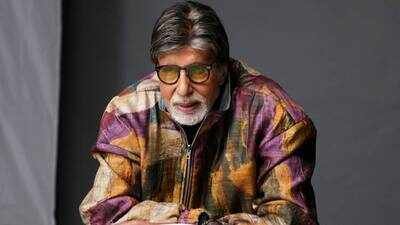
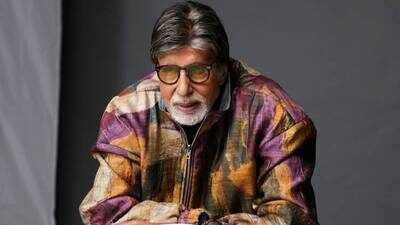
Bollywood megastar Amitabh Bachchan has secured a legal victory in his personality rights case, with the Delhi High Court passing a decree restraining several defendants from commercially exploiting his name, photograph, voice, likeness and other elements of his identity without authorisation.Justice Purushaindra Kumar Kaurav passed the order on November 5 in a suit filed by Bachchan over the alleged misuse of his publicity rights, passing off and seeking damages. According to Live Law, the decree covers eight defendants, including four who settled the dispute with the actor and four who did not contest the proceedings. It also extends to unidentified individuals or entities, referred to as John Does.
From fake lottery messages to merchandise, alleged misuse came under scrutiny
Bachchan’s lawsuit highlighted several instances in which his identity was allegedly used without consent to attract consumers or generate commercial benefits. The examples included a mobile application called Amitabh Bachchan Video Call, fake Kaun Banega Crorepati lottery messages circulated on WhatsApp, a general knowledge quiz book featuring his photograph, and posters and T-shirts carrying his images.The actor had also taken legal action against domain name registrants of websites using his name. The suit sought to prevent individuals and entities from capitalising on his popularity and creating an impression of his association with or endorsement of such products and services.
Defendants agree not to use Bachchan’s persona without consent

The decree also covers unidentified persons allegedly exploiting Amitabh Bachchan’s identity through websites, apps and other platforms.
During the proceedings, four defendants – numbered 1, 3, 5 and 8 – entered into a settlement with Bachchan. They acknowledged his publicity rights and right to privacy and agreed not to use his name, image, voice, likeness or any other aspect of his persona without his express permission.The court accepted the settlement and held that it was voluntary and lawful, making it suitable to be incorporated into a decree under Order XXIII Rule 3 of the Code of Civil Procedure (CPC).“The settlement has been agreed upon without fear or coercion, and the parties appear to have entered into it on their own volition,” the court said.
Court rules against four defendants who did not contest the suit
The court also passed a decree against defendants 2, 4, 6 and 9 under Order VIII Rule 10 of the CPC. These defendants had failed to appear before the court or submit written statements despite receiving summons.Justice Kaurav clarified that the provision should not be applied mechanically. However, the court found that the matter did not involve any disputed questions of fact that necessitated a trial.It also noted that the unauthorised commercial use of Bachchan’s name and photographs could mislead the public into believing that he had endorsed the products or services being promoted.
Protection extended to unidentified persons
Recognising that online misuse could also be carried out by individuals whose identities were difficult to establish, the court extended the decree to John Does. It noted that Bachchan’s plaint pointed to a continuing pattern of anonymous exploitation through websites, mobile applications, posters and messaging platforms.The court has also preserved the actor’s right to initiate fresh legal proceedings if another cause of action arises in the future.