



For many parents, “Finish everything on your plate” is a familiar mealtime instruction- one they heard growing up and may now find themselves repeating to their own children. Sometimes it comes from a genuine concern about nutrition. Sometimes it is about avoiding food waste. And sometimes, after spending time cooking dinner, parents simply want their child to eat more than three bites before declaring, “I’m full.” But should finishing everything on the plate really be the goal?A recent discussion on Reddit, posted in the r/Parenting subreddit has brought this familiar parenting rule back into the spotlight, with parents debating whether children should be expected to eat everything they are served.
28 Jul 2026 | 16:26
Which parenting tip from elders actually worked for you?
The conversation revealed something many families may recognise: while some parents worry that letting children leave food will encourage constant snacking, others believe children should be allowed to stop eating when they feel full. And according to psychologist and eating-disorder recovery coach Dr Lara Zibarras, there is a good reason to rethink the traditional “clean your plate” approach.
The problem may not be the food, but the message

File Photo: Canva
When a child says they are full but is told to take “just a few more bites,” the immediate goal may be to get them to eat. But over time, the message can become more complicated: the amount of food on the plate matters more than what the body is saying.Dr Zibarras explains that forcing children to finish can teach them to ignore their natural fullness cues and continue eating beyond the point of comfort. Children, she notes, do not necessarily have the same appetite every day. A child may be hungrier after a physically active day, during a growth spurt or simply because they are having a particularly hungry day. On another day, the same child may eat very little. That variation is normal.The concern is that repeatedly overriding those signals can make it harder for children to recognise when they have had enough. Dr Zibarras also links this lack of self-regulation to potential food anxiety and unhealthy relationships with eating later in life.Interestingly, the American Academy of Pediatricsalso advises parents not to pressure children to clean their plates and encourages children to pay attention to hunger and fullness cues instead.
But what about the child who says “I’m full,” and asks for a snack five minutes later?
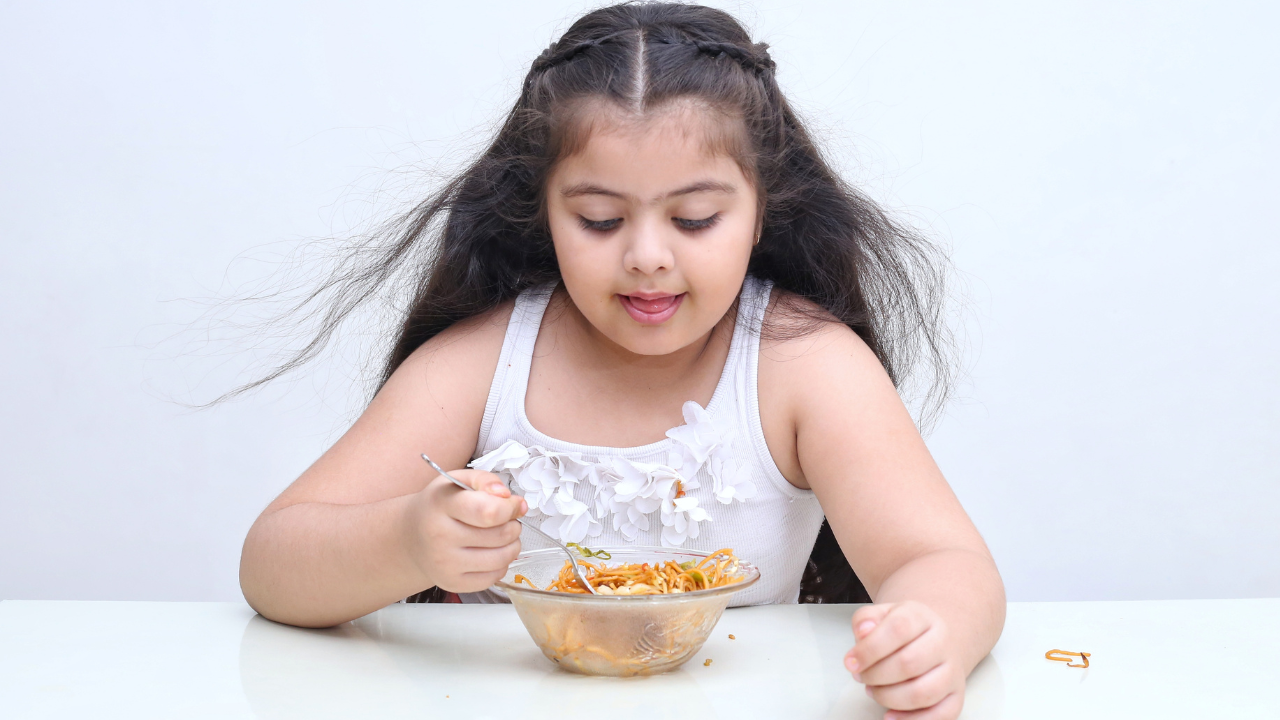
File Photo: Canva
This is where parenting gets less straightforward. It is easy to worry that removing the clean-plate rule means children will eat two bites of dinner, refuse the rest and immediately demand cookies, chips or another favourite snack.Interestingly, this concern also came through in the Reddit discussion. Some parents said they do not force children to finish dinner but also do not automatically replace an unfinished meal with another preferred food. One practical approach discussed was simply keeping the unfinished meal and offering it again if the child says they are hungry later. That distinction can be useful.Respecting a child’s fullness does not mean allowing them to turn every meal into a negotiation for their favourite snack. Parents can decide what food is offered and when, while children can have some say in whether and how much they eat.In other words, “You don’t have to finish your dinner” does not have to mean “You can have anything you want instead.”
So, should parents ditch the clean-plate rule?

File Photo: Canva
Perhaps the better goal is not to raise a child who always finishes everything on their plate. It is to raise a child who can eventually sit down to a meal, eat enough, recognise when they are satisfied and stop without feeling guilty about leaving a few bites behind.That may require parents to let go of an old measure of a “successful” meal. A clean plate can look reassuring. But a child who knows how to listen to their body may be learning something far more valuable.