

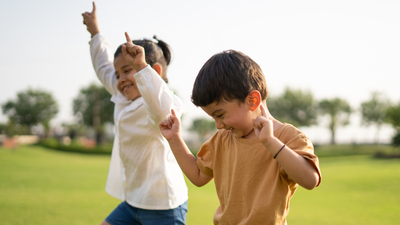
Parents often try to make their children perform better in every task they encounter. However, amidst all this, sometimes parents miss one important life skill. Teaching kids what healthy friendships look like is an important stage of growing up. This is because positive friendships are associated with confidence, competence, and healthy relationships.Here are five unhealthy friendship habits parents should teach children to avoid:
28 Jul 2026 | 16:25
Do you think social media has changed the parent-teen relationship?
Never make someone feel less valuable because they’re not your favourite
Having close bonding with some friends is natural, and having a “best friend” is completely normal. The problem begins when children make others feel excluded or inferior because they are not a part of their “inner circle.” Hurtful comments or refusing to let someone join a game just because they’re not your favorite can leave lasting emotional scars. This is why every parent must teach their child that while it is okay to have close friends, respecting others and treating them with kindness and respect is just as important.
Clap for your friends when good things happen to them
Friendships built on jealousy and comparison eventually become unhealthy. It quickly turns into resentment. This is why children should celebrate a friend’s win as their own victory. Whether a friend wins a race or gets an award in a drawing competition, children should be taught to celebrate their friend’s achievements. In psychology, this term is referred to as “growth mindset” because it inspires us rather than threatens us.
“I’m just being honest” is never an excuse to be hurtful
Honesty is important but without kindness it can become hurtful. The difference lies in constructive honesty and unnecessary criticism. Sometimes children become hurtful and defend themselves by saying “I was only telling the truth.” There is a big difference between constructive criticism and unnecessary criticism. For example, parents can teach children to be more kind. Instead of saying “You’re terrible at drawing,” children can learn to say, “Maybe you could try adding more colors.”
Don’t pressure others to do things they’re uncomfortable doing
Peer pressure does not begin in the teenage years. Even young children may pressure their friends to break rules, tease others, or participate in activities they’re uncomfortable doing. Teaching children to respect another person’s “no” is just as important as teaching them to say “no” themselves. Parents can regularly remind children that a true friend respects boundaries.
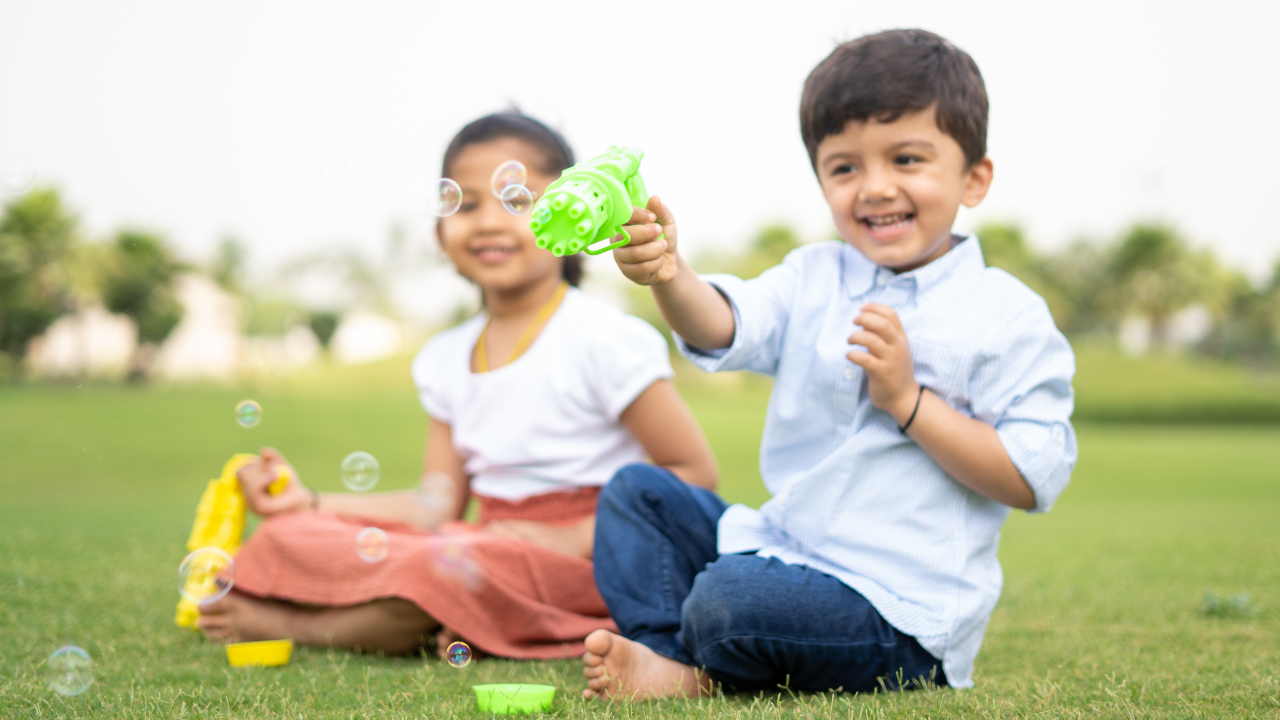
Image: Canva
Don’t be kind only when you want something
Sometimes children become extra friendly only when they need help with homework, want to borrow a toy, or need someone to play with. This teaches others that kindness is transactional.Healthy friendships are based on genuine care- not convenience. Parents can encourage children to check in on friends, invite them to play, or offer help even when there is nothing to gain in return. These small acts build trust over time.
Why these lessons matter
Children are not born knowing how to be good friends. They learn by observing parents, teachers, siblings, and peers. The conversations parents have today about kindness, accountability, empathy, respect, and healthy boundaries can shape the way children build relationships for years to come.