



Some people love parties while some enjoy their own company. Some people look forward to a quiet evening at home to relax, finding comfort in reading a book, listening to music or simply being alone and sipping a cup of coffee with their thoughts. Others feel refreshed after meeting friends and attending a family gettogether.Shubham Saini works as an interior designer in Mumbai. He says he meets over 20 new people everyday because of his profession. And by the end of the day, he craves silence and his own company to relax mentally.“I love my company. Just a cup of ginger tea and Gulzar poetry in the evenings in a dim light, and I am recharged for another day. Meeting so many people everyday is not an easy task”, Saini said.Preeti Samantha, on the other hand, is a dentist and works with a private hospital. For her, rejuvenation means meeting her friends over some beer and chips and discussing her future plans.“I am an outgoing person. I need my friends and some DJ music to feel rejuvenated and motivated to go check my patients teeth the other day. Twice a week, I try to go out, mostly clubbing with my close group”.Psychology suggests that the difference is partly linked to personality. However, the distinction goes beyond whether someone is shy, outgoing or comfortable in a crowd. It also involves individual preferences, emotional needs and the quality of relationships a person maintains.Why solitude feels relaxing to some people
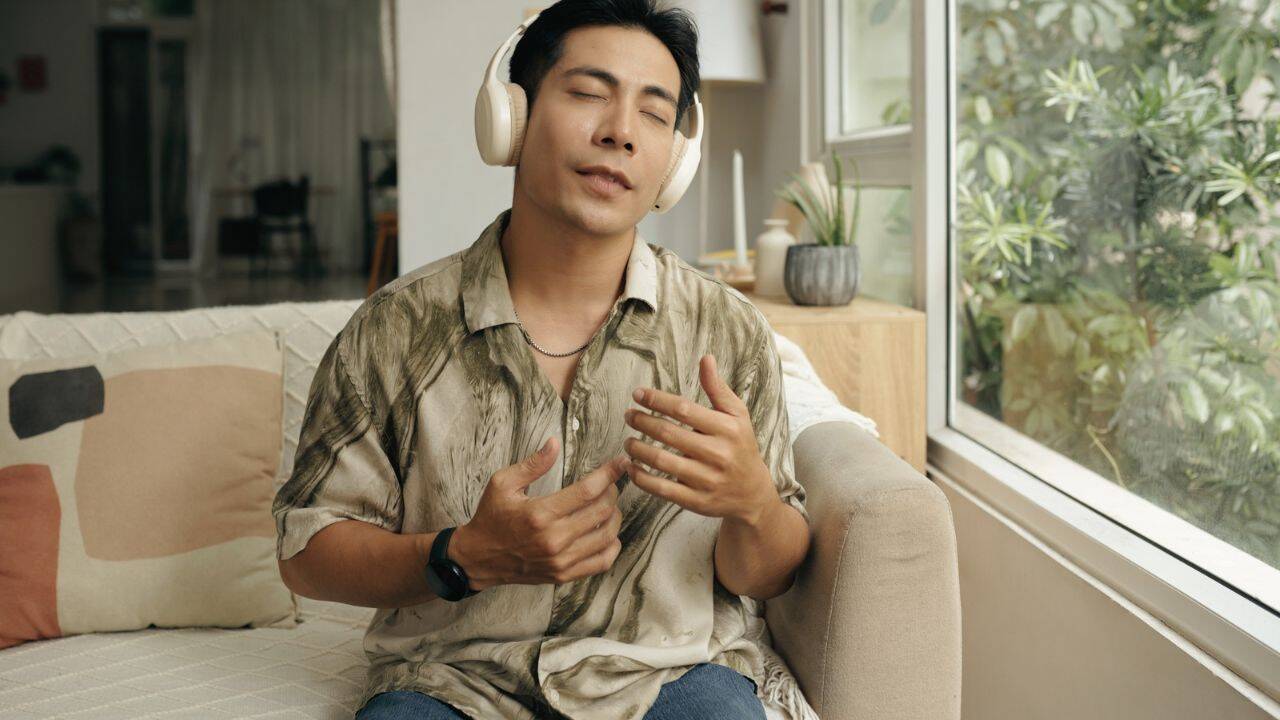
Solitude is relaxing for some (Canva)
“It’s about solitude but also enjoying your own company rather than going out pretending to be someone else”, Saini explains.For people who are little introverts, social interaction can be enjoyable but also mentally exhausting, particularly when it involves large groups, unfamiliar people or prolonged conversations. Time alone offers an opportunity to process experiences.Also it is important to understand, choosing to be alone is not the same as feeling lonely.Research published in the Journal of Personality in 2025 examined how introversion and sensory-processing sensitivity relate to the desire to spend time alone. The researchers surveyed a nationally representative US sample of 301 adults and a separate group of 99 undergraduate students, tracking participants’ experiences of solitude, stress and well-being over 10 consecutive days.The study found that certain dimensions of introversion and higher sensory-processing sensitivity were associated with stronger motivations to seek solitude and spending more time alone.Why company can be energising for others

Company can be energising for others (Canva)
For Preeti, meeting her friends and family is a rejuvenation process.“I need my people to think straight most of the days,” said Preeti.People who lean towards extraversion, social interaction can be a significant source of pleasure, stimulation and positive emotion. Meeting friends, exchanging ideas, attending events or working in a lively environment may leave them feeling more engaged with the world.Psychologists commonly describe introversion and extraversion as opposite ends of a personality dimension rather than two rigid categories.What research says about social needs and happinessA 2023 study published in Health Psychology Open, titled Are social support, loneliness, and social connection differentially associated with happiness across levels of introversion-extraversion?, examined data from 949 participants in Canada.The researchers explored how extraversion is related to subjective happiness, perceived social support, loneliness, social network size and time spent with friends. They found that lower social loneliness and stronger support from friends and family were more strongly associated with happiness among people with lower extraversion scores than among those with higher scores.A separate study published online in 2025 in Social Psychological and Personality Science offers another perspective. Researchers Dunigan Folk and Elizabeth Dunn analysed 105,766 activity episodes from 41,094 participants across four waves of the American Time Use Survey. They found that participants generally reported greater happiness when performing everyday activities with other people than when doing them alone.Taken together, the research suggests that the question is not simply whether solitude or socialising is better. Some people recharge in solitude, others in company, and many need a mixture of both.